
5 Features That Separate Premium Rooftop Venues Los Angeles From Basic Options
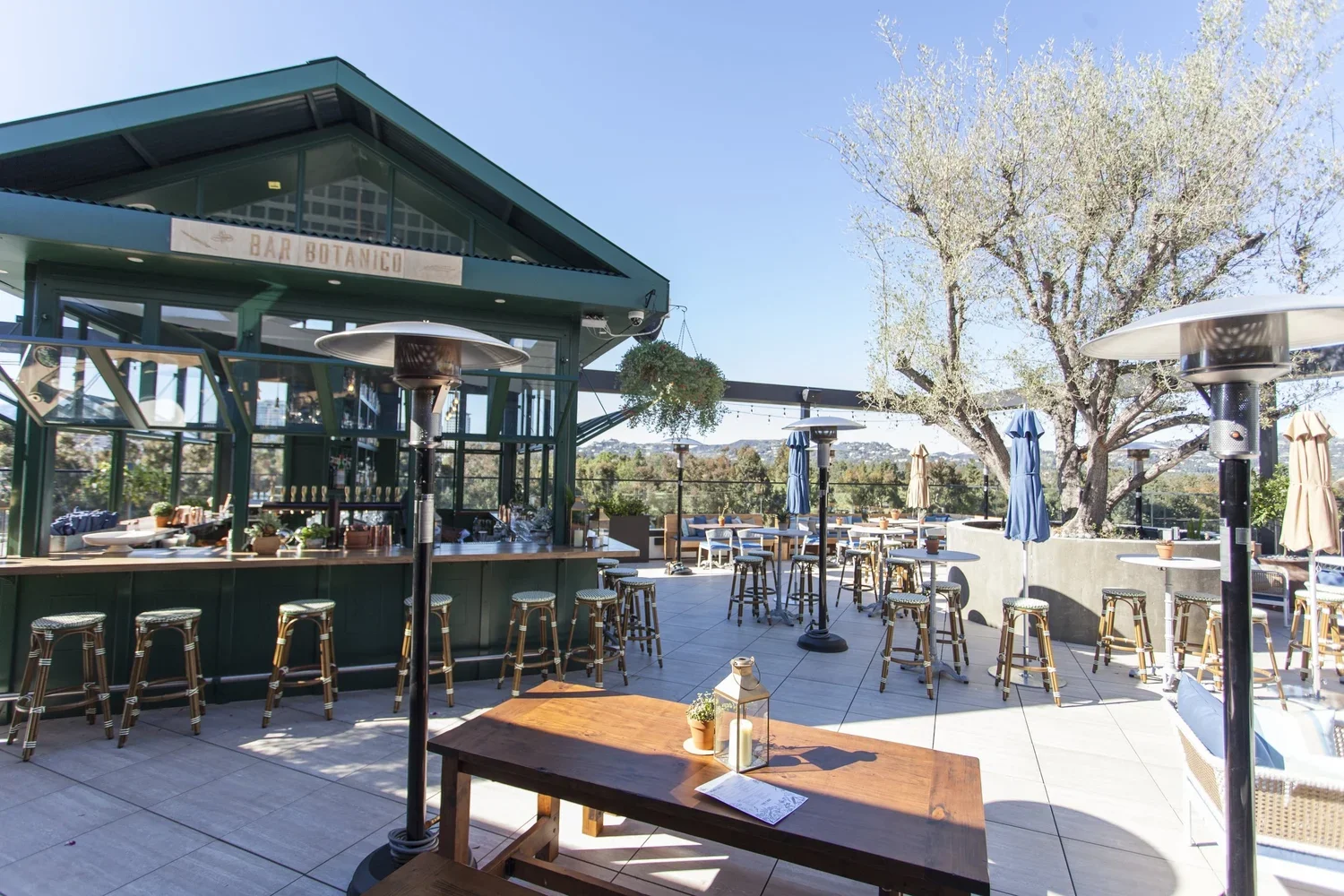
Not all rooftop venues Los Angeles have the same experience. A premium rooftop venue offers more than a high-floor location or a view of the city. It should make guests feel welcome, provide reliable service, and give event planners the support they need to run the event smoothly.
For corporate receptions, brand events, and private celebrations, the difference often comes down to how well the venue handles the details. Here are five features worth comparing when deciding whether a rooftop venue is worth the investment.
1. Skyline Views That Add Value to the Event
A rooftop's view is often the first thing guests notice. A strong skyline backdrop can make a reception feel special and give attendees a memorable setting for photos. However, a premium venue should offer more than a good view from one corner of the space.
During a tour, check how much of the rooftop has an unobstructed view. Look at the main gathering area, not just the spot where the venue takes its promotional photos. If guests will spend most of the event near the bar or dining tables, those areas should feel just as inviting.
Are there good photo opportunities throughout the space?
Think about how guests will use the venue. At a company celebration, attendees may want photos with colleagues. For a product launch, the background may appear in social posts or branded event content.
Ask whether the venue allows photography in the areas you want to use. If you plan to display branded signage, confirm that it will not block a key view or interfere with the layout.
Lighting also matters. Visit at a time close to your planned event hours if possible. A rooftop that looks impressive in daylight may have a very different atmosphere after sunset.
The goal is to find a setting that feels appealing in person and photographs well without requiring extensive extra styling.
2. Private Access That Makes Guests Feel Welcome
Access is one detail that can separate a premium rooftop from a more basic rental. If the venue has a private elevator or dedicated entrance, guests may have a more direct arrival experience. This can be particularly useful for corporate events where attendees are arriving on a schedule.
However, private elevator access should not be assumed just because a venue is on a rooftop. Ask how guests will enter the building, whether the elevator is shared with other tenants, and whether the venue has a dedicated check-in area.
How private is the event space?
A venue may offer a rooftop area while still sharing nearby facilities with other groups. Before booking, find out whether your rental includes exclusive use of the main event space or whether other events could be taking place at the same time.
This is especially important for executive receptions or brand events where privacy may matter. Ask whether outside guests can walk through the space and how the venue manages access during your booking.
Also confirm how vendors will enter for setup. A private guest entrance may not be the same route used for catering deliveries or production equipment.
These questions help you understand what the venue's exclusivity actually includes, rather than relying on the word private in the listing.
3. Full-Service Catering and Bar Packages
Food and drinks have a direct effect on how guests experience an event. Premium rooftop venues Los Angeles offers may provide in-house catering or bar packages, while others require planners to coordinate separate providers. Neither arrangement is automatically better, but you should understand what is included before comparing prices.
Ask for a clear breakdown of the available packages. Check whether the quoted price covers food service, bartenders, glassware, and other essentials. If the venue offers several menu options, ask when selections and final guest counts must be confirmed.
Can the food and bar service match your event?
A networking reception may need drinks and small bites that are easy to enjoy while standing. A seated company dinner requires a different service plan. Make sure the venue can accommodate your preferred format and the timing of your program.
For bar service, ask about the available packages and any restrictions on outside alcohol. Find out whether the venue charges by guest, by consumption, or through a fixed package.
You should also confirm how dietary requests are handled. If attendees need vegetarian meals or have food allergies, ask when those details must be submitted and whether the catering team can accommodate them.
A well-organized service plan helps the event feel seamless and gives your team fewer details to manage separately.
4. A Layout That Works Beyond the View
A beautiful rooftop can still be difficult to use if the layout does not support your event. Premium venues should give planners a clear understanding of how the space can be arranged and what the rental allows.
During a tour, picture where guests will gather when they arrive. Consider whether there is enough room for people to move between seating areas without creating bottlenecks. If you plan to include a presentation, ask where a screen or speaker could be positioned.
What happens when the guest count changes?
Ask for the recommended capacity for your specific event format. A rooftop that works well for a standing reception may feel crowded once dining tables or lounge furniture are added.
You should also check which furniture is included and whether rearranging it is permitted. Some layouts may require additional rentals, which can affect the overall budget.
If your event includes entertainment or a branded installation, confirm that the venue can accommodate it without compromising guest movement. It is better to resolve these questions before signing than to discover a space limitation during setup.
5. Reliable Event Support and Clear Booking Terms
The level of support behind the scenes is another important difference between rooftop venues. A premium experience should include clear communication about the booking process and what will happen on the event day.
Ask who your main venue contact will be and whether someone will be available during setup. If the venue has specific rules for vendors, deliveries, or equipment, request those details early so you can share them with your team.
Are the venue's policies clear before you commit?
Review the rental agreement carefully. Pay attention to the deposit, cancellation terms, overtime charges, and the deadline for final payment. Ask whether the venue has sound restrictions or a firm end time, especially if you are planning an evening event.
Rooftops also require a practical weather plan. Confirm what happens if rain or strong winds make the outdoor area unsuitable. If there is a covered section or indoor alternative, ask whether it is included in the rental and whether it can accommodate your expected guest count.
These details may not be as exciting as the skyline, but they can have a major effect on how confidently you plan the event.
Choose a Rooftop That Makes an Impression
Choosing among rooftop venues Los Angeles offers is easier when you look beyond the view. Focus on how guests will arrive, whether the space supports your event format, and how the venue handles service and unexpected changes.
Before making a decision, arrange a tour and ask for a written proposal that reflects your actual plans. This gives you a more realistic picture of the experience and helps you compare venues on more than appearance alone.
If you're ready to explore options for your next event, browse Piovra Group's venue directory and look for a space that fits your priorities and budget.
Frequently Asked Questions
Q. How much more does a premium rooftop venue cost compared with a basic one?
A. Pricing depends on the location, date, guest count, and what the rental includes. A lower starting price may not cover catering or furniture, while a more expensive package may include services you would otherwise pay for separately. Request an itemized quote based on your event details before comparing options.
Q. Can I visit a rooftop venue at the same time of day as my planned event?
A. Yes, it is worth asking. A daytime tour may not show how the rooftop looks after sunset or how lighting affects the atmosphere. If an exact-time visit is unavailable, request recent photos or videos taken during similar event hours.
Q. Does booking a private rooftop mean the entire space is exclusive to my guests?
A. Not necessarily. Some venues rent a dedicated event area while sharing entrances or other facilities with the building. Confirm which areas are reserved for your event and whether another group could be using nearby spaces at the same time.
Q. What extra costs should I ask about before signing a rooftop venue contract?
A. Ask about staffing, furniture rentals, catering service fees, overtime, and any required vendor charges. For outdoor spaces, also clarify the cost and availability of a weather backup plan. Request the full estimate in writing so you can understand the likely total before paying a deposit.
Q. What should I do if the rooftop is too windy or the weather changes on the event day?
A. Ask about the venue's weather policy before booking. Find out whether there is a suitable covered area or an indoor alternative, who makes the decision to relocate, and whether the change involves an additional fee. Do not assume a backup space will be available unless the venue confirms it.