
How to Choose the Perfect Rooftop Event Venue in Los Angeles for Your Next Event
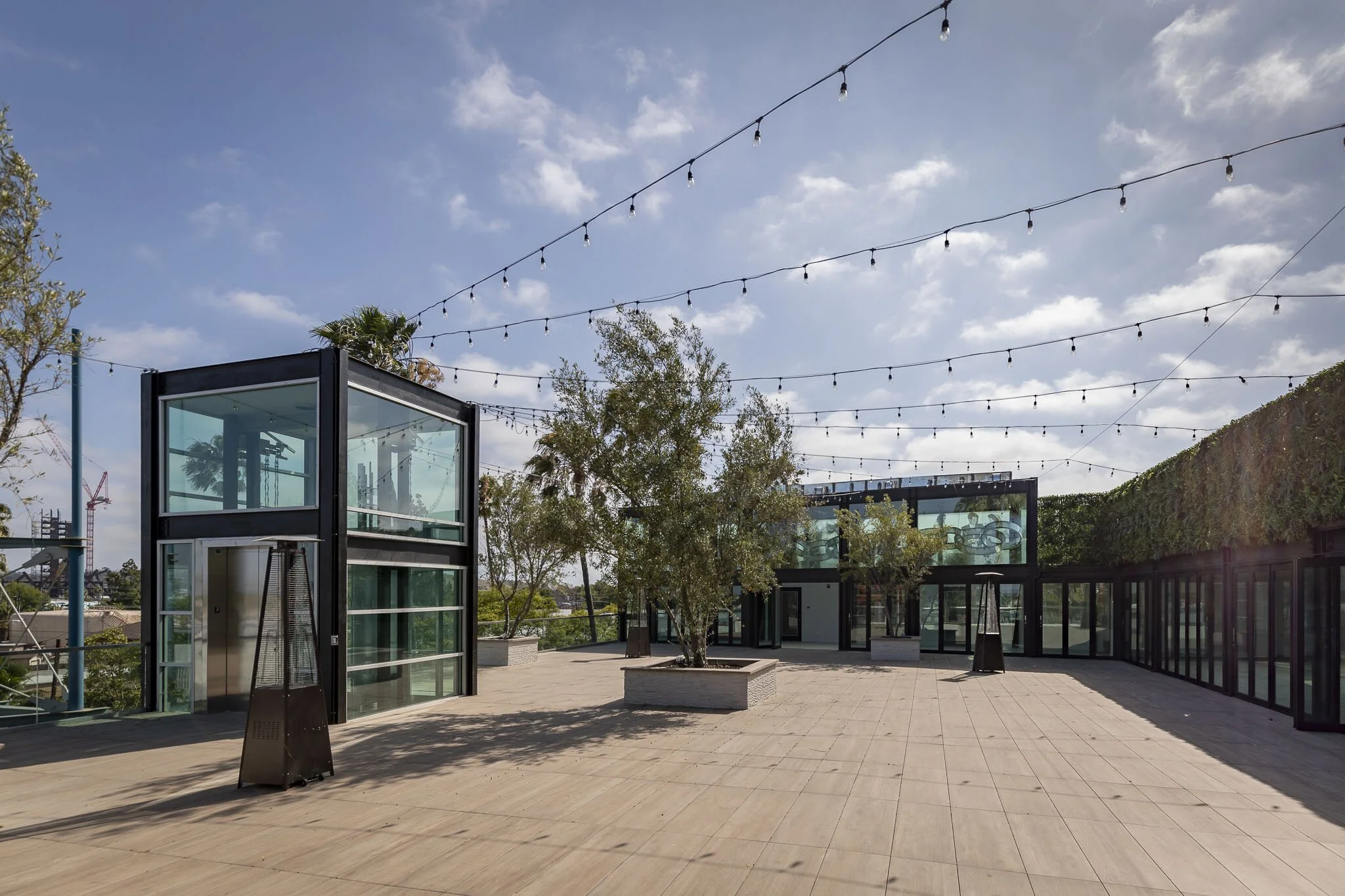
Choosing from the many rooftop venues Los Angeles has to offer can be exciting, especially when you want your event to have a memorable setting. But a great view alone does not make a rooftop venue the right choice. You also need to consider guest capacity, the layout, weather plans, and how the space will work for your event.
Whether you're planning a corporate reception or a private celebration, the right rooftop venue should feel special while still meeting your practical needs. Here are seven things to consider before booking, along with examples of rooftop spaces in the Piovra Group collection.
1. Look Beyond the Skyline View
A skyline view can make a strong first impression. It gives guests a sense of place and creates a natural backdrop for event photos. However, not every rooftop offers the same experience.
Some spaces provide wide views of the city, while others are designed around a garden terrace or a more intimate outdoor setting. Think about what you want guests to see when they arrive and how the view will look in photos taken throughout the event.
The time of day matters, too. A late afternoon event may give guests a chance to enjoy the sunset before the city lights come on. An evening reception can offer a completely different atmosphere, especially when the venue has thoughtful outdoor lighting.
When touring a space, ask to see the rooftop at the same time of day as your planned event, if possible. Also check whether the view is visible from the main event area or only from a smaller section of the property.
For example, Pluto LA Penthouse offers 360-degree views from its location in Central LA, including views of the Hollywood Sign and Downtown Los Angeles. Terra Rooftop in Century City offers a different setting, with an outdoor terrace and an indoor dining room connected by floor-to-ceiling windows.
2. Check How the Space Will Look in Event Photos
Rooftop venues can provide a beautiful backdrop, but it is worth considering how the space will be photographed once your event is set up.
Look at the background behind the stage or main seating area. If you plan to have a step-and-repeat wall or branded display, check whether there is enough room without blocking the view. For a private celebration, consider where guests are most likely to take photos.
Lighting is another important detail. Natural light can be excellent for daytime photography, but the venue will need suitable lighting after sunset. Ask whether existing fixtures can be adjusted and whether additional event lighting is permitted.
It also helps to consider the guest experience. A rooftop may look impressive in a photo, but guests should still have comfortable places to sit and areas where they can talk without competing with loud music.
Before making a decision, ask the venue for photos from previous events. These can give you a better idea of how the space looks when it is occupied rather than empty.
3. Match the Capacity to Your Event Setup
One of the most important steps when comparing rooftop venues Los Angeles is checking the capacity for your actual event layout.
A venue may advertise a maximum guest count, but that number can change depending on whether you are hosting a seated dinner, cocktail reception, or event with a dance floor. A standing layout generally uses space differently from a seated arrangement.
Ask for the capacity of the specific area you intend to rent. If the venue has both indoor and outdoor sections, find out whether the guest count applies to the rooftop alone or to the combined space.
Here are a few examples from Piovra Group's rooftop collection:
Terra Rooftop: Up to 250 seated guests or 350 standing guests across its indoor and outdoor spaces.
Savanna Rooftop: Listed capacity of 130 seated guests or 200 standing guests.
1920s Art Deco Rooftop: Capacity for up to 120 guests, whether seated or standing.
These figures are a starting point. Your final layout may need to account for a stage, bar, buffet, entertainment area, or other event features.
For larger gatherings, ask whether additional spaces can be included in the rental. Level 8 in Downtown LA has several distinct spaces that can be reserved individually or combined for larger events.
4. Find Out Whether the Layout Can Be Adjusted
A rooftop venue should support the way you want your event to unfold. A cocktail reception may need open space for guests to mingle, while a seated dinner requires a different arrangement.
If your event includes a presentation followed by a reception, you may need a separate indoor area or a layout that allows guests to move between spaces. For a birthday or private party, you might want room for a DJ and dance floor without taking away too much seating.
During your venue tour, ask:
Can the furniture be moved or rearranged?
Is there a covered or indoor area available?
Can the rooftop be combined with another event space?
Are there restrictions on where a DJ, stage, or bar can be placed?
Is there enough room for vendors to set up without disrupting guest areas?
Do not assume that every part of a rooftop property is included in the booking. Confirm which areas are private to your event and whether shared spaces will remain accessible to other guests.
Above The Block in West LA is one example of a venue with different configurations. Its options include an indoor ballroom connected to a rooftop, allowing planners to consider an indoor-outdoor setup.
5. Ask About Weather Plans Before You Book
Los Angeles is known for its generally mild weather, but an outdoor event still needs a backup plan. Rain, wind, and cooler evening temperatures can affect a rooftop gathering, even when the forecast looks promising.
Before signing an agreement, ask what happens if the weather changes. Does the venue have an indoor space that can accommodate your guests? Are tents permitted? Can heat lamps be provided? If the event cannot move indoors, what options are available?
These details are especially important if your event depends on a specific layout. A backup space that is too small may not be a practical solution for a large reception.
You should also ask about wind restrictions. Certain decorations, signage, floral installations, or equipment may need to be secured or adjusted when used outdoors.
Some rooftop venues offer features that help with cooler evenings. The 1920s Art Deco Rooftop, for example, lists heat lamps among its amenities and offers tenting upon request.
Get the weather policy in writing so you understand what is included and whether any additional charges may apply.
6. Consider the Season and Booking Timeline
The time of year can influence both the availability of rooftop venues Los Angeles and the kind of event you can comfortably host.
Spring and fall can be appealing for outdoor gatherings because temperatures are often more comfortable. Summer events may benefit from later start times to avoid the hottest part of the day. During winter, an indoor-outdoor venue can give guests the option to enjoy the rooftop without spending the entire event outside.
Your preferred date can also affect availability. If you are planning a holiday party or a large corporate event, it is worth starting your search early. Popular dates may be requested well in advance, particularly when the venue has a distinctive view or a limited number of private event spaces.
When discussing your date with the venue, confirm:
Whether the space is available for your preferred date and hours.
How much setup and breakdown time is included.
Whether there are seasonal restrictions on outdoor music or activities.
What happens if weather conditions affect the event.
Whether the venue has different rates for peak dates or days of the week.
If your date is flexible, ask whether other dates offer better availability. This may give you more room to compare venues before making a decision.
7. Review What Is Included in the Venue Rental
Two rooftop venues can look similar online but offer very different booking arrangements. One may include furniture and built-in sound, while another may require you to arrange additional rentals and production.
Ask for a clear breakdown of what the rental includes. This helps you understand the actual cost of hosting your event rather than comparing venues based only on the initial rental quote.
Pay attention to the venue's policies on catering and bar service. Some spaces allow outside caterers with management approval, while others have in-house food and beverage options. You should also confirm whether tables, chairs, security, cleaning, and venue staff are included.
If your event needs a DJ or presentation equipment, ask about the existing sound system and available AV support. Find out whether outside production vendors are permitted and whether there are additional fees for their access.
Piovra Group can help clients compare rooftop spaces based on their event requirements and budget.
Frequently Asked Questions
Q. How much does it cost to rent a rooftop venue in Los Angeles?
A. The cost depends on the venue, event date, guest count, rental hours, and services included. Some venues charge a flat rental fee, while others may have food and beverage minimums or package requirements. Ask for an itemized quote that includes any additional costs for staffing, rentals, production, and overtime before making your decision.
Q. What is the best time of day to host a rooftop event?
A. It depends on the atmosphere you want. Afternoon events can take advantage of natural light, while sunset gatherings offer a transition from daylight to the evening skyline. For summer events, a later start may be more comfortable for guests. Ask the venue about sunset timing and any restrictions on event hours.
Q. What happens if it rains or gets too windy during my rooftop event?
A. Every venue has its own weather policy. Some offer an indoor area as a backup, while others may allow tenting or provide other arrangements. Before booking, ask whether the backup space can fit your full guest count and whether there are extra fees. Make sure the agreed plan is included in your venue contract.
Q. Can I host a seated dinner and a dance floor at a rooftop venue?
A. Yes, but it depends on the available space and the venue's layout restrictions. You will need to confirm that there is enough room for dining tables while leaving space for the dance floor and entertainment. If the venue has connected indoor and outdoor areas, you may be able to use each section for a different part of the event.
Q. How far in advance should I book a rooftop event venue in Los Angeles?
A. Start looking as soon as you have a preferred date and estimated guest count. For holiday parties or events scheduled during popular periods, beginning several months ahead is a sensible approach. This gives you time to compare spaces and confirm vendors. If you have a specific rooftop in mind, check its availability early rather than waiting until the rest of the event details are finalized.