
How Do You Choose the Right Conference Center in Los Angeles?
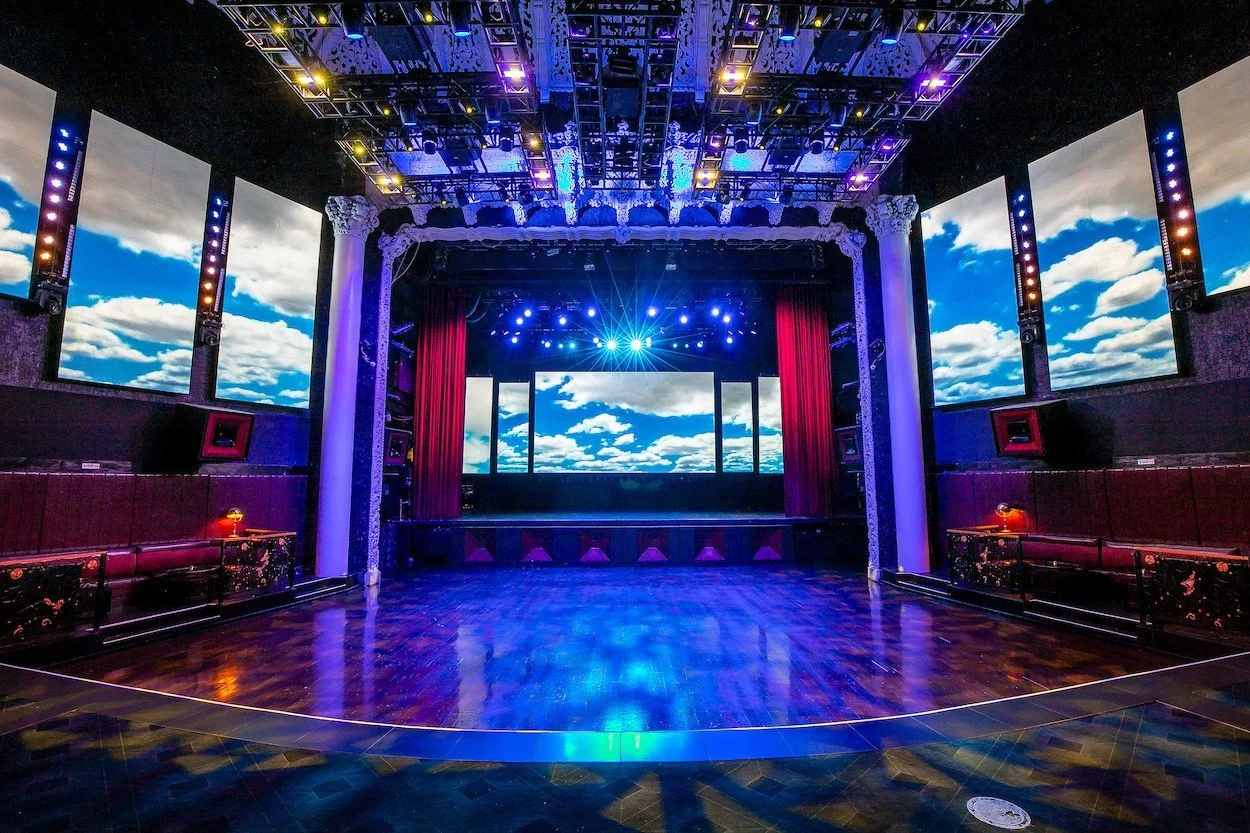
Choosing between conference centers Los Angeles offers really comes down to a few core questions. How much space and tech does the venue actually have, and how easy is it for attendees to reach? On top of that, you'll want to know whether the venue handles logistics for you or leaves that work entirely to your team. Getting this wrong can mean paying for square footage you don't need or scrambling to find AV support the week of your event. This guide breaks down what actually matters when you're comparing venues, not just what looks good in a photo.
How Do Capacity and Tech Amenities Compare Across Venues?
Capacity is usually the first filter planners apply, but it's easy to get wrong if you only look at the maximum number a venue lists.
Matching Capacity to Your Actual Guest Count
A venue that can technically fit five hundred people rarely feels right for a group of two hundred. Ask for the room's layout options, not just its top capacity number, since seating style changes how many people actually fit comfortably. Theater seating fits noticeably more people than banquet rounds, and classroom setups usually land somewhere in between. The same room can shift capacity by a wide margin depending on which layout you pick.
What Tech Amenities Actually Matter
Sound and lighting quality vary a lot between venues that otherwise look similar on paper. Some spaces have a house system built in and ready to go, while others expect you to bring in outside AV vendors, which adds cost and coordination. Before booking, ask what's included versus what you'd need to rent separately, including microphones, projection screens, and internet bandwidth for hybrid or livestreamed sessions.
Breakout Space for Larger Conferences
If your conference includes breakout sessions, check whether the venue has separate rooms for that or if you'd be dividing one large space with pipe and drape. Dedicated breakout rooms tend to feel more professional and cut down on sound bleed between sessions.
How Accessible Is the Location for Corporate Attendees?
A great venue in the wrong location can still hurt attendance, especially for multi-day conferences where guests are commuting from hotels each morning.
Proximity to Airports and Hotels
Venues closer to LAX or a major hotel cluster tend to see better attendance for out of town guests, simply because the travel burden is lower. Downtown venues benefit from a dense hotel supply nearby, while Long Beach venues sit a bit further from LAX but closer to Long Beach Airport, which some attendees prefer for shorter regional flights.
Parking and Public Transit
Parking availability matters more in LA than in most cities, so ask specifically about on-site parking versus nearby structures and whether the venue validates for guests. Public transit access is also worth checking, particularly for younger attendees or local guests who may skip driving altogether.
Traffic Patterns Around Event Times
Rush hour in LA can add significant time to a commute, so it helps to check what the drive looks like at the actual time your sessions start and end. A venue that's technically fifteen minutes from downtown can feel like an hour during the evening rush.
Full-Service Support vs Standalone Rentals: Which Is Right for You?
This is often the decision that determines how much work falls on your internal team versus the venue itself.
What Full-Service Venues Typically Include
Full-service venues usually come with on-site event staff, in-house or preferred catering, and someone dedicated to coordinating the day of the event. This setup tends to work well for planners who don't have a large internal team or who are managing multiple events at once.
What Standalone Rentals Require From You
A standalone rental gives you the space and little else. That works well if you already have a trusted list of vendors and want full control over catering, staffing, and setup. It generally costs less upfront, but the coordination burden shifts entirely to your team.
A Middle Ground Worth Considering
Some venues offer a hybrid model where you get the space plus optional add-on services, letting you pick and choose based on what your team can handle internally. This tends to work best for planners who want flexibility without giving up all the support a full-service venue provides.
Questions to Ask Before You Book
Before signing a contract, it helps to have a short list ready for every venue tour or call. Ask the following:
What's included in the rental fee versus billed as an add-on
Whether outside catering and vendors are allowed
What AV equipment is built in versus rented separately
How parking and transit access work for your attendee count
Who handles setup, breakdown, and day-of coordination
Final Thoughts
Choosing the right conference venue in LA really comes down to matching capacity and tech to what you actually need. From there, it's about picking a location that works for your attendees and figuring out how much support you want from the venue itself instead of handling everything on your own. Skipping any one of these steps usually shows up as a problem later, whether that's a cramped breakout room or a parking headache on day one.
If you're comparing conference centers Los Angeles has available and want help narrowing down the right fit, Piovra Group can walk you through options that match your budget and guest count. Reach out to our team to start the conversation.
Frequently Asked Questions
1. How do I know if a conference venue has enough capacity for my event?
A. Ask for layout diagrams at your expected seating style, not just the venue's maximum listed capacity. A room that fits 300 theater style may only comfortably seat 180 with banquet rounds.
2. Is it better to book a full-service venue or handle vendors myself?
A. It depends on your team's bandwidth. Full-service venues reduce coordination work but usually cost more, while standalone rentals cost less but require you to manage catering and staffing directly.
3. What tech amenities should I confirm before booking?
A. Confirm the sound system, microphones, projection or LED screens, and internet bandwidth, especially if you're running a hybrid or livestreamed session. Ask what's included versus what requires outside rental.
4. Does venue location really affect conference attendance?
A. Yes. Venues near major hotel clusters or airports tend to see stronger attendance, since lower travel friction makes it easier for out of town guests to show up on time.
5. Should I visit a venue in person before booking?
A. It's strongly recommended. Photos rarely capture room acoustics, natural light, or how a space actually flows, all of which matter once you're running a full day of sessions.