
7 Types of Outdoor Event Space Los Angeles Planners Should Know
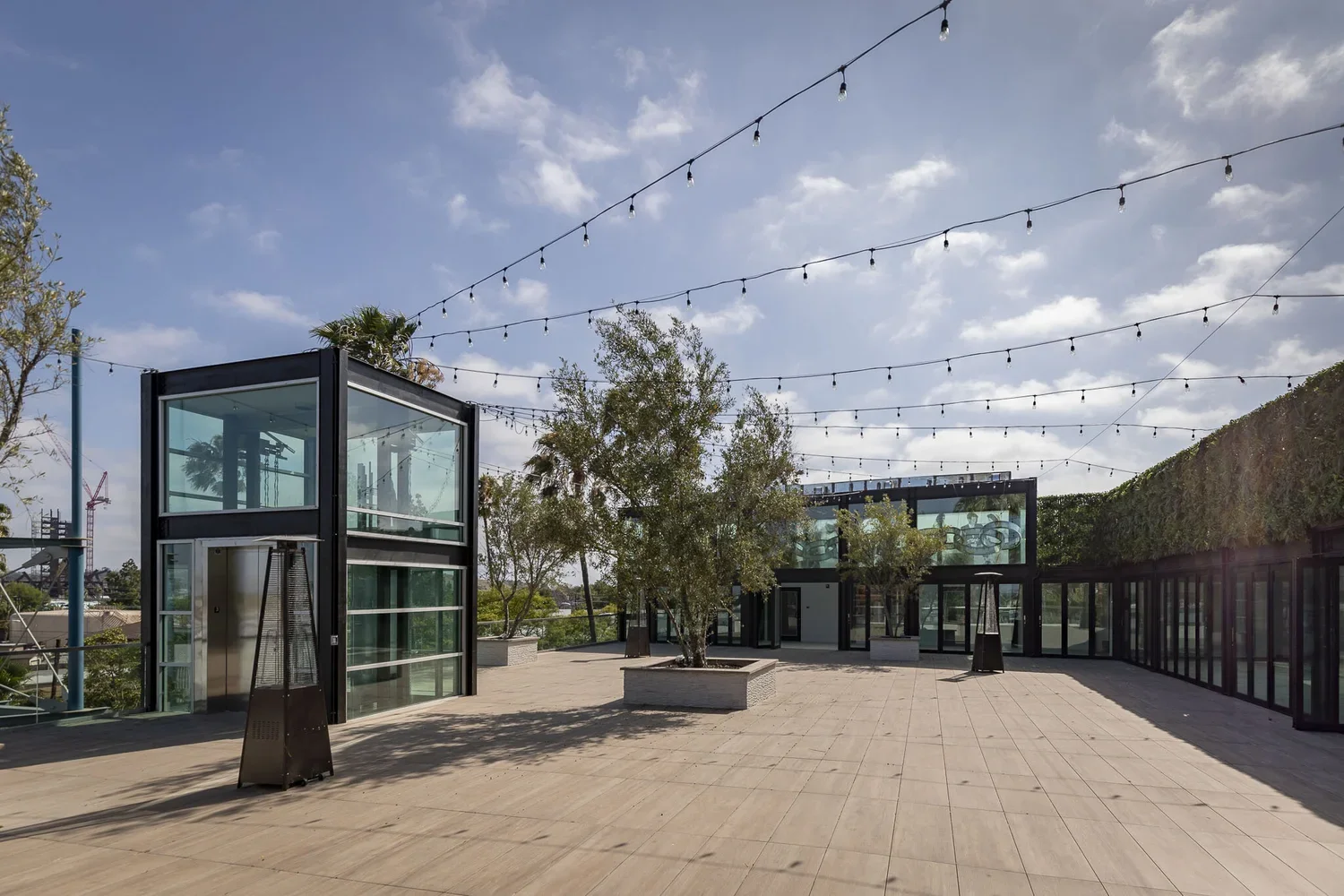
Finding the right outdoor event space Los Angeles planners can rely on starts with understanding how different venues work. A rooftop terrace offers a different experience from a garden patio, while an industrial courtyard may suit a brand event better than a traditional outdoor setting.
The best choice depends on your event format, guest experience, and how much flexibility you need from the space. This guide breaks down seven types of outdoor venues in Los Angeles, including what makes each one appealing and what to check before booking.
1. Rooftop Terraces for Events With a City View
Rooftop terraces give guests an elevated view of the city. They can be a strong choice for cocktail receptions, company gatherings, or a product launch that calls for a more contemporary atmosphere.
The setting itself can make an impression without requiring an elaborate decor plan. Sunset events can also benefit from natural light as the evening begins.
However, rooftop venues require extra planning. Wind can affect table arrangements and decorative pieces, and some rooftops have restrictions on sound levels or event hours. Elevator access may also affect how guests and vendors move through the building.
Best for: Networking receptions or social events where the view is part of the experience.
Before booking: Ask about the maximum guest capacity, weather contingency plan, and any restrictions on amplified music. Confirm whether the rental includes access to the rooftop only or also to an indoor area.
2. Garden Patios for a Relaxed Outdoor Setting
Garden patios offer a more relaxed atmosphere, often with greenery and an intimate layout. They work well for birthday celebrations, engagement parties, and private dinners where guests should be able to talk comfortably.
Unlike a large open field, a patio may provide a defined area for dining or mingling. Some spaces have existing landscaping that helps establish the mood, so you may not need much additional decoration.
The main consideration is how the patio handles your planned activities. A space that feels comfortable for a seated dinner may become crowded once guests begin moving around.
Best for: Smaller social gatherings or events centered on conversation.
Before booking: Check whether the patio has enough room for dining tables and guest circulation. Ask about shade during daytime events, since direct sunlight can affect guest comfort.
3. Industrial Courtyards for a Modern, Urban Feel
Industrial courtyards often feature exposed materials and an open layout. Depending on the property, the surroundings may include brick walls or concrete surfaces that give the event a distinctive urban character.
These spaces can suit creative brand activations, fashion events, or company parties that need room for a custom setup. The less traditional backdrop can also work well for event concepts that do not fit a formal ballroom.
An industrial courtyard may need more planning than a venue with built-in event infrastructure. Lighting can become important after sunset, and hard surfaces may affect sound during speeches or performances.
Best for: Brand events or social gatherings with a contemporary concept.
Before booking: Find out what equipment is already available and what needs to be brought in. Confirm the rules for temporary installations, especially if your event involves branded displays or a stage.
4. Urban Lofts With Outdoor Areas
Urban lofts with terraces or courtyards provide a useful mix of indoor and outdoor space. Guests can enjoy the open air while still having access to an indoor area when the weather changes or they need a quieter place to gather.
This format can be especially useful for events with different phases. A reception might begin outdoors before guests move inside for a presentation or dinner.
Not every loft has the same layout, though. Some outdoor areas are designed mainly for small groups, while others may support a larger gathering. The connection between the indoor and outdoor sections matters just as much as the overall square footage.
Best for: Creative meetings or private events that need an indoor backup.
Before booking: Ask whether both areas are included in the rental. Confirm the capacity for each section and check whether guests can move between them without passing through restricted areas.
5. Beachside and Coastal Venues for a Scenic Backdrop
Beachside venues appeal to planners who want an event to feel connected to the coast. A nearby ocean view can create a memorable setting for a private celebration or a company gathering that calls for a more casual atmosphere.
It is important to distinguish between a venue near the beach and an event held directly on the sand. A private property near the coast may have established facilities, while a public beach location can involve additional permissions and restrictions.
Coastal conditions also need attention. Wind can affect signage and table decor, and the temperature may drop after sunset even when the afternoon feels warm.
Best for: Casual receptions or celebrations where the coastal setting is central to the event.
Before booking: Confirm whether the rental provides direct beach access or simply an ocean view. Ask about permits if you plan to use a public beach, along with any limits on music or event hours.
6. Garden Estates for Larger Outdoor Gatherings
Garden estates offer a more spacious outdoor environment, often with landscaped grounds and dedicated areas for gathering. They can be suitable for milestone celebrations or company events that need room for guests to spread out.
The additional space can make it easier to plan a dining area away from entertainment or reception activities. However, a large property does not automatically mean the event layout will work. Guests may need clear directions between different areas, especially when the venue has a wide footprint.
Ground conditions matter, too. Grass can become difficult to navigate after rain, and some outdoor areas may not be suitable for heavy equipment or extensive furniture.
Best for: Larger celebrations that benefit from a spacious setting.
Before booking: Ask which parts of the property are included and whether the venue has restrictions on tenting or temporary flooring. Confirm restroom access and how guests will travel between event areas.
7. Poolside Venues for a Resort-Inspired Atmosphere
Poolside venues bring a relaxed, vacation-inspired feel to private parties and social events. The pool can serve as a visual centerpiece, making the space feel distinctive even before additional decor is added.
These venues can be a good fit for summer celebrations or company gatherings with a casual dress code. Some properties allow the pool to remain a visual feature without permitting guests to swim, so it is important to clarify how the area can be used.
Safety and access should be part of the planning process. The pool area may need additional supervision, and the venue may have specific rules for children or guests who want to swim.
Best for: Summer parties or social events with a laid-back atmosphere.
Before booking: Confirm whether swimming is permitted and whether lifeguard coverage is required. Ask about the venue's rules for food service near the pool and any restrictions on decorations.
How Do You Choose the Right Outdoor Venue?
The best outdoor event space Los Angeles option is not always the one with the most impressive photos. It is the one that fits your event plans and works within your budget.
Start with your expected guest count. Then consider how much space you need for seating, entertainment, and guest movement. A venue may advertise a high capacity, but that number can change once you add a stage or arrange tables for dinner.
Weather planning deserves equal attention. Ask whether an indoor alternative is available, whether tents are allowed, and who makes the final decision if conditions become unsuitable.
Finally, request a complete rental breakdown. The base price may not cover every item you need, particularly if the venue requires outside rentals or additional production equipment.
If you are comparing different venue styles, Piovra Group's venue directory is a useful place to begin exploring options.
Final Thoughts
Choosing an outdoor venue in Los Angeles starts with deciding how you want guests to experience the event. A rooftop can make the city part of the setting, while a garden patio may be better for a more intimate gathering. A courtyard or coastal property can offer a different atmosphere, depending on the event's purpose.
Before making a decision, compare the full rental cost and ask how the venue handles weather changes. Make sure the layout supports your guest count and planned activities, too.
The right outdoor event space Los Angeles planners choose should suit the event itself, not just look appealing in photos. Take time to review the details before committing so you can move forward with a clearer plan.
Frequently Asked Questions
Q. How much does it cost to rent an outdoor event space in Los Angeles?
A. The cost varies by venue, event date, guest count, and rental duration. A rooftop with a city view may have a different pricing structure from a garden patio or a coastal property. Ask for an itemized quote that explains the rental fee, required staffing, and any additional charges before paying a deposit.
Q. What happens if it rains on the day of my outdoor event?
A. That depends on the venue's weather policy. Some properties offer an indoor backup, while others may allow a tent if it is approved in advance. Before booking, find out what happens if the weather makes the space unusable and whether a date change or refund is possible.
Q. Can I bring my own caterer or other vendors?
A. Some venues allow outside vendors, while others require clients to use approved partners. There may also be rules about insurance, setup times, or equipment brought onto the property. Get these requirements in writing before signing the agreement, especially if you already have a preferred caterer or DJ.
Q. How do I know if an outdoor venue can comfortably fit my guest list?
A. Ask for the venue's maximum capacity and confirm whether it applies to a standing reception or a seated event. Request a sample layout that includes your planned seating and entertainment area. This helps you judge whether guests will have enough room to move around comfortably.
Q. How far in advance should I book an outdoor event venue?
A. For a popular date or a larger event, it is sensible to start looking several months ahead. Your ideal lead time will depend on the season and the type of venue you want. If your date is flexible, ask about available dates before narrowing your search to one specific property.