
How to Book Conference Centers Los Angeles Companies Can Rely On for Corporate Events
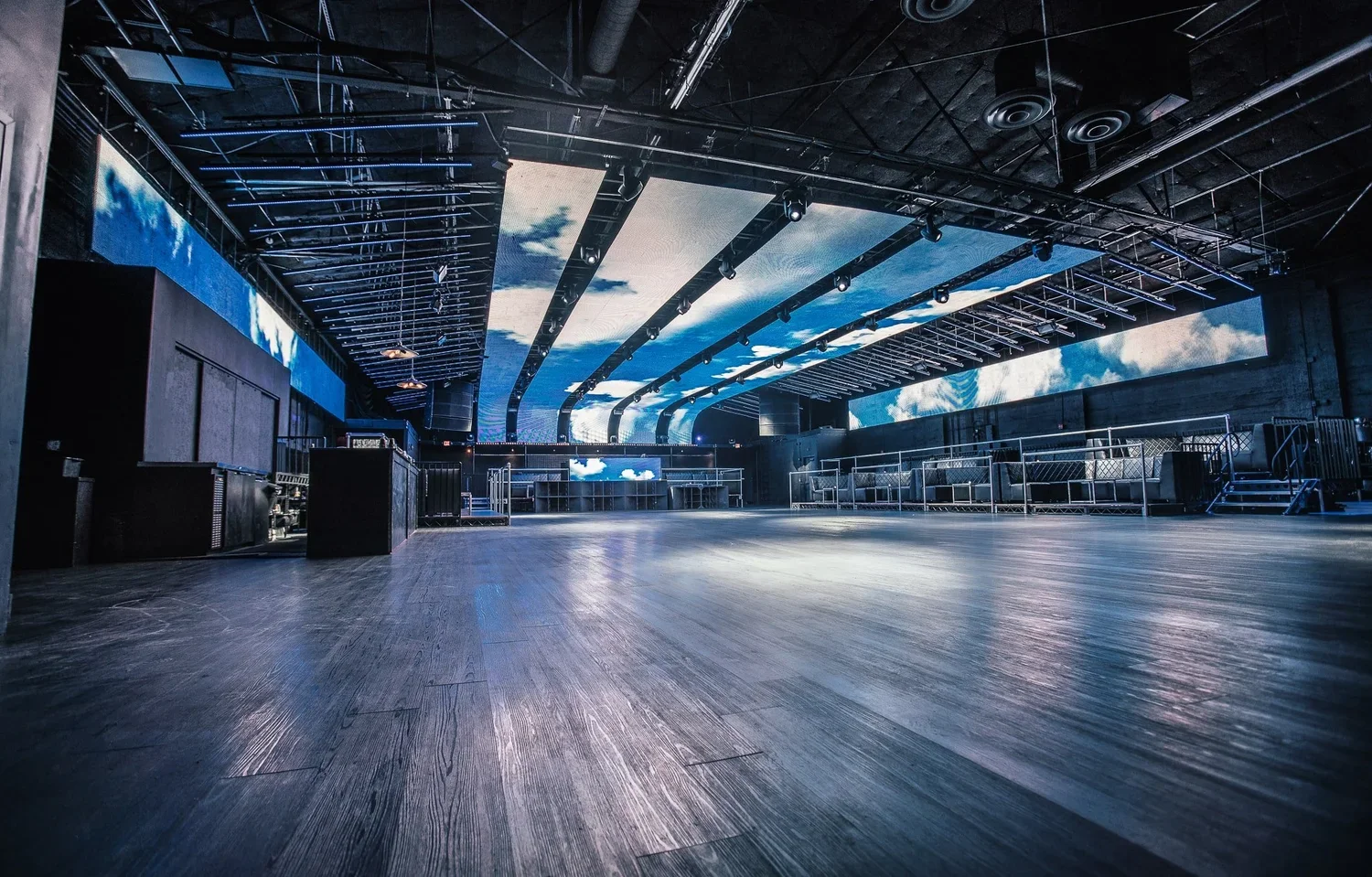
Booking the right conference centers Los Angeles has available takes more than finding a room with enough seats. You need a space that supports your meeting format, has the right AV equipment, and can accommodate your schedule without creating unnecessary complications. For corporate planners, the best time to check these details is before signing the venue contract.
If you're preparing for a company meeting, training session, or industry conference, this guide walks you through the booking process, from checking capacity to coordinating vendors before event day.
1. Confirm Capacity and AV Requirements Before Booking
Before contacting venues, establish how many people will attend and what they need to do during the event. A conference room designed for a board meeting may not work for a full-day presentation with several speakers. Likewise, a larger room may be less suitable if the event requires smaller breakout sessions.
Start with your expected headcount, then ask each venue for its recommended capacity based on your preferred seating arrangement. Classroom seating, theater-style rows, and round tables use space differently. Leave room for registration and guest movement so attendees are not squeezed into the main meeting area.
Use this checklist when evaluating a conference center
Guest capacity: Can the room accommodate your expected attendance in the layout you need?
Presentation equipment: Are screens, projectors, microphones, and speakers included?
Internet access: Is reliable Wi-Fi available for attendees and presenters?
Power access: Can speakers and attendees connect laptops without relying on a limited number of outlets?
Breakout space: Are smaller rooms available if your agenda includes separate sessions?
Technical support: Will someone be available if the equipment stops working?
Do not assume that equipment shown in venue photos is included in the rental. Ask for an itemized list of what comes with the room and what requires an additional fee.
If your event depends on video conferencing or live streaming, test the setup before the event. Confirm that the internet connection can support your intended use and ask whether the venue has a backup option for essential equipment.
2. Book Early During Peak Corporate Event Seasons
The availability of conference centers Los Angeles offers can change significantly depending on the date and type of event. Periods with heavy corporate activity may leave fewer suitable rooms available, especially for larger gatherings that need several spaces or specific AV arrangements.
Start your search as soon as your date and approximate guest count are known. Even if the agenda is not final, you can ask venues about availability and request preliminary pricing.
How can you secure the right date?
Contact more than one suitable venue so you can compare availability without delaying the decision. When requesting a proposal, share the information that affects the quote:
Preferred event date and backup date, if available
Expected attendance
Start and end times, including setup
Required room layout and AV equipment
Catering or refreshment needs
This gives venues enough context to provide more useful estimates. It also makes proposals easier to compare because each venue is pricing a similar event.
If you find a suitable space, ask how long the quote and date hold remain valid. A verbal confirmation may not reserve the room, so find out what payment or signed agreement is needed to secure the booking.
What if your preferred date is unavailable?
Ask whether the venue has another room that meets your requirements or whether nearby dates are available. Moving the event by a day may open up more options, depending on attendee schedules.
If the date cannot change, be ready to compare alternatives based on their practical suitability rather than choosing a venue simply because it is available. A lower price will not help if the space lacks essential equipment or cannot accommodate your attendees comfortably.
3. Understand the Full Cost Before Signing
A venue's advertised rental rate may not reflect the total cost of holding your conference. Some spaces charge separately for equipment, staffing, catering, or access outside standard rental hours.
Request a written proposal that clearly separates the room rental from additional services. Ask whether the quote includes setup and breakdown time, furniture, Wi-Fi, and technical assistance.
You should also clarify the payment schedule. Find out when the deposit is due, when the remaining balance must be paid, and what happens if attendance changes. Review the cancellation and rescheduling terms before committing, particularly if your company needs internal approval before confirming the event.
Ask about costs that can change your budget
If the meeting runs longer than planned, overtime charges may apply. Additional AV equipment or last-minute room changes can also increase the final bill. Ask how these charges are calculated and whether they require advance approval.
For events that include catering, confirm whether the venue charges a minimum spend or a separate service fee. If you plan to bring outside vendors, check whether the venue requires insurance documents or charges for access and setup.
Having the full cost in writing helps you avoid surprises and makes it easier to obtain budget approval.
4. Coordinate Vendors and Venue Staff Early
Booking the room is only one part of preparing a successful conference. If you're working with an AV technician, caterer, photographer, or production team, each provider needs to understand the venue's rules and schedule.
Start by asking the venue whether outside vendors are permitted. Some conference spaces have preferred suppliers or restrictions on equipment brought into the building. Confirm these requirements before signing agreements with third parties.
Create a shared event schedule
Prepare a timeline that covers vendor arrival, equipment setup, registration, the main program, breaks, and breakdown. Share it with the venue contact and each vendor so everyone understands when they need access.
For example, your AV team may need to test microphones before speakers arrive. Catering staff may need access before a scheduled break, while registration staff may need time to arrange the check-in area.
Ask the venue who will be responsible for opening the room and coordinating access on event day. It is also useful to have one primary contact for questions about building access or facility issues.
If your conference includes several vendors, confirm who is responsible for each part of the setup. Clear responsibilities reduce the risk of duplicated work or missed tasks.
5. Review the Contract and Finalize Event Details
Before you make the final payment or sign the agreement, check that the contract reflects what you discussed with the venue. Confirm the event date, access hours, room layout, included equipment, and any agreed services.
Pay particular attention to the cancellation policy and what happens if the venue needs to change your room assignment. If your conference requires a specific setup, ask whether the layout can be documented in the booking details.
What should happen before event day?
Arrange a final confirmation with the venue contact. Recheck the expected attendance, AV requirements, catering arrangements, and vendor arrival times. If possible, schedule a technical test for presentations or video calls that are essential to the program.
Send presenters any instructions they need, such as connection requirements or the deadline for submitting slides. Make sure your team knows where registration will take place and how attendees should enter the building.
A short final review can catch problems while there is still time to resolve them. It also gives everyone involved a clearer picture of what to expect when the event begins.
If you're comparing options, Piovra Group's venue directory is a useful starting point for exploring spaces for corporate events.
Book a Conference Space That Works for Your Team
The right conference center should support your agenda and make the logistics easier to manage. Before booking, confirm the room capacity, test the plan for AV needs, and make sure the full cost is clear. Securing your date early also gives you more time to coordinate vendors and prepare the event schedule.
If you're ready to compare options, explore Piovra Group's venue directory and shortlist spaces that fit your meeting requirements. A little preparation before signing can help you choose a venue that works for both your team and your attendees.
Frequently Asked Questions
Q. How far in advance should I book a conference center in Los Angeles?
A. Start looking as soon as you know your likely date and guest count. Larger conferences or events requiring multiple rooms may need more planning time than a small meeting. Ask venues about availability early, and confirm the date is secured only after completing their required booking steps.
Q. Can I visit the conference center before signing the contract?
A. Yes, ask to schedule a site visit. During the tour, check the room layout, test the visibility from the back of the room, and review the equipment available. If a site visit is not possible, request a live virtual tour and written details about the room's capacity and included services.
Q. What happens if my attendee count changes after I book?
A. The answer depends on the venue's capacity limits and contract terms. Ask how late you can update your headcount and whether changes affect the rental fee or catering costs. If attendance is uncertain, discuss a realistic range before signing rather than assuming the venue can accommodate any increase.
Q. Can I bring my own AV company or caterer to a conference center?
A. Some venues allow outside vendors, while others require approved providers or charge additional fees. Confirm the policy before booking and ask about insurance requirements, setup access, and equipment restrictions. This is especially important if your company already works with a preferred production team.
Q. What should I do if the venue's Wi-Fi or presentation equipment fails during the conference?
A. Ask about technical support and backup equipment before signing the contract. For an important presentation, confirm whether spare microphones, cables, or display connections are available. If the event relies on video conferencing, test the connection in advance and ask what alternatives are available if the network has an issue.